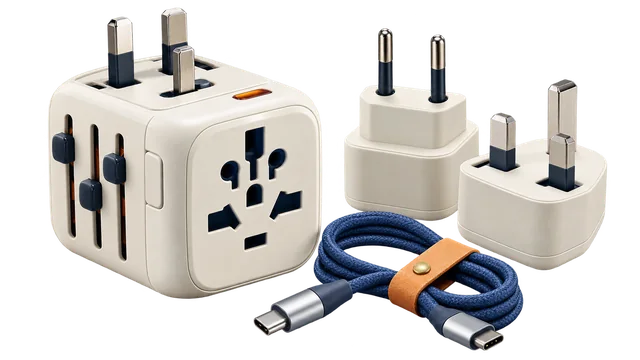
Your plugs
Type A / Type B
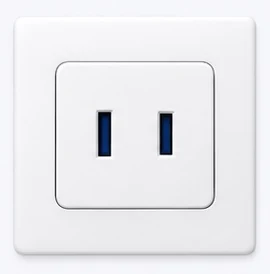
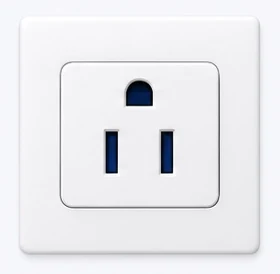
United States of America
120 V / 60 Hz
Want to keep this travel detail? Sign in to save it.
Power before packing
Compare plug shapes, sockets and voltage so you can pack the right setup for your devices.
Find your adapterPlug compatibility
Compare the plug types you use at home with the socket shapes commonly found at your destination.
United States of America
120 V / 60 Hz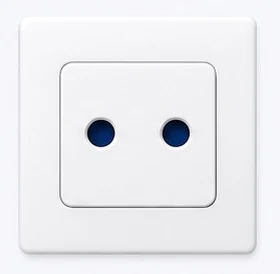
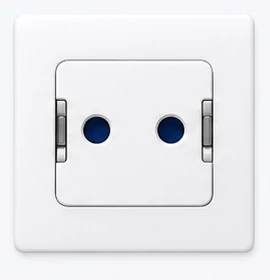
Spain
230 V / 50 HzPacking plan
A practical checklist based on your route and the voltage label printed on your device.
Destination snapshot
Spain commonly uses 230 V / 50 Hz. Check the exact outlet at your hotel or rental before plugging in high-power devices.
Common checks
Use a route as a starting point, then change either country above.
 Type C / Type F / 230 V / 50 Hz
United States of America to United Kingdom
Type C / Type F / 230 V / 50 Hz
United States of America to United Kingdom
 Type G / 230 V / 50 Hz
United States of America to Japan
Type G / 230 V / 50 Hz
United States of America to Japan
 Type A / Type B / 100 V / 50 / 60 Hz
United States of America to Australia
Type A / Type B / 100 V / 50 / 60 Hz
United States of America to Australia
 Check plugs
United States of America to Switzerland
Check plugs
United States of America to Switzerland
 Type C / Type J / 230 V / 50 Hz
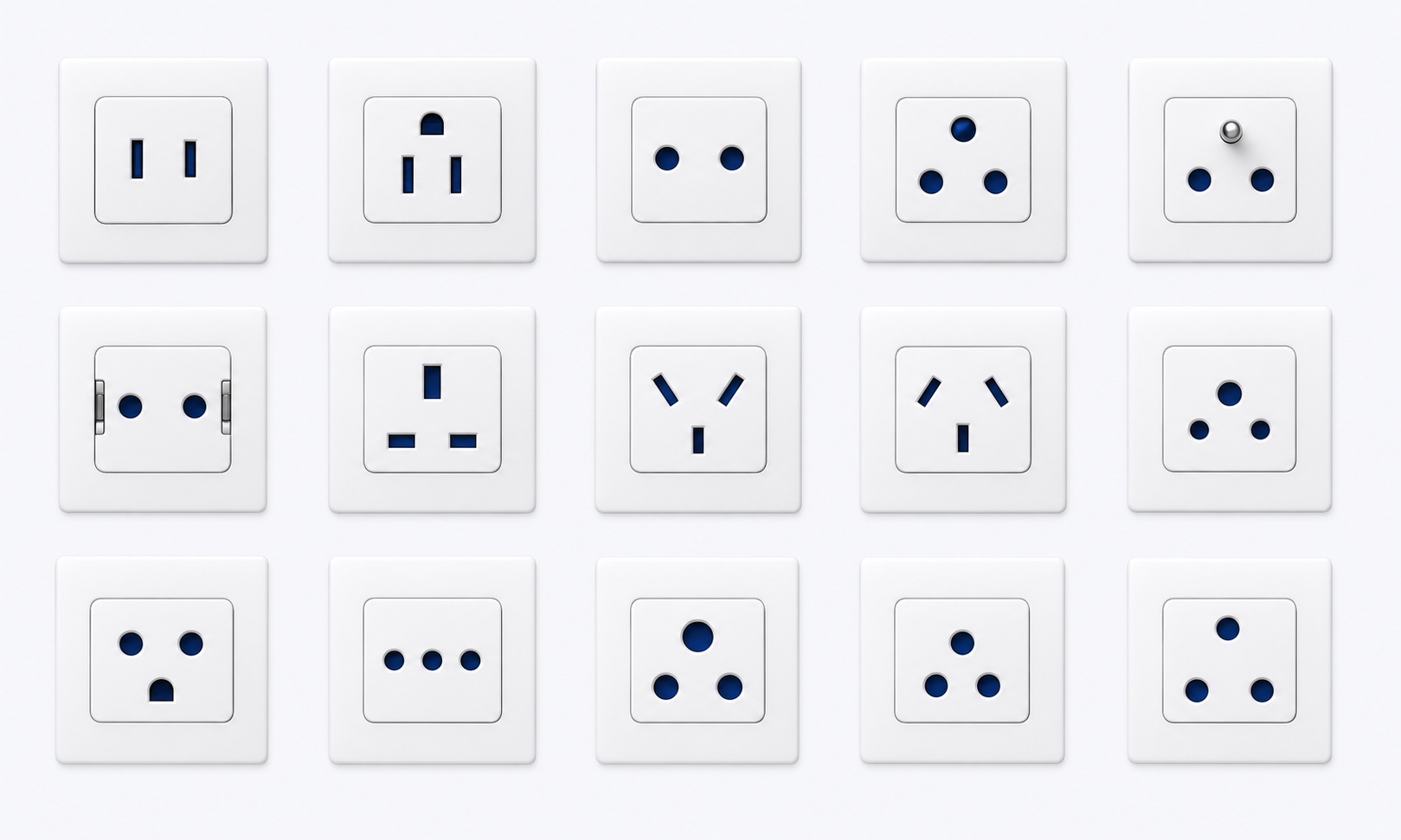
International plug types
Real socket visuals help you compare what you packed with what you will see on the wall.
Selected type
Flat parallel pins. Common in North America and parts of Asia.
Japan, United States of AmericaVisual reference
Use the checker for the decision, then compare the socket photo if you want to recognise the outlet before you buy an adapter.
Questions
A travel adapter lets a plug fit a different socket shape. It does not convert voltage or frequency. Check the device label and the adapter rating as well as the plug type.
Check the Input label first. If its voltage and frequency ranges include the destination supply, a voltage converter is normally unnecessary. Otherwise, follow the device manufacturer’s instructions; a plug adapter alone does not resolve a voltage mismatch.
Read your charger’s Input label. A charger marked 100–240 V, 50/60 Hz supports supplies within those ranges, but may still need a suitable plug adapter. Do not assume an unlabelled charger has the same rating.
Check which plug types it actually supports, its power rating and whether it provides the earth connection your device needs. Universal does not mean every socket, and the adapter does not convert voltage or frequency.
Check the current time in world capitals, with time zones and today’s UTC offsets.
Capital timezones Check local timeRead country-level drinking-water guidance and local caveats before filling your bottle.
Country guidance Check tap waterSearch ISO alpha-2, alpha-3, calling codes, currencies and capitals in one list.
ISO reference Search codesCheck recorded entry requirements for your passport and destination, including visa-free, ETA and visa options.
Visa-free, eVisa, VOA Check visa rules